The challenge of transforming the practical into the exceptional.
The NEW NAOS brings together two worlds. On the one hand, it is a highly functional product, designed to seamlessly adapt to the diverse spaces within an architectural project.
On the other, it combines outstanding performance, advanced features and refined design in a single luminaire. Achieving this dual purpose was only possible through the collaborative efforts of engineers from our R&D&I, Applied Optics, Industrialization and Manufacturing departments, working in close partnership with our Sales and Marketing teams.

Fresh design.
The design of the NEW NAOS is both visually and tactilely appealing. Departing from the horizontal lines of the previous version, our R&D department developed an in-house solution that delivers a sleek, polished texture.
Additionally, optics have been enhanced with features like an anti-reflective treatment applied to the microstructures, resulting in a visually uniform front that complements the luminaire's refined surface and allows for seamless integration into various spaces.
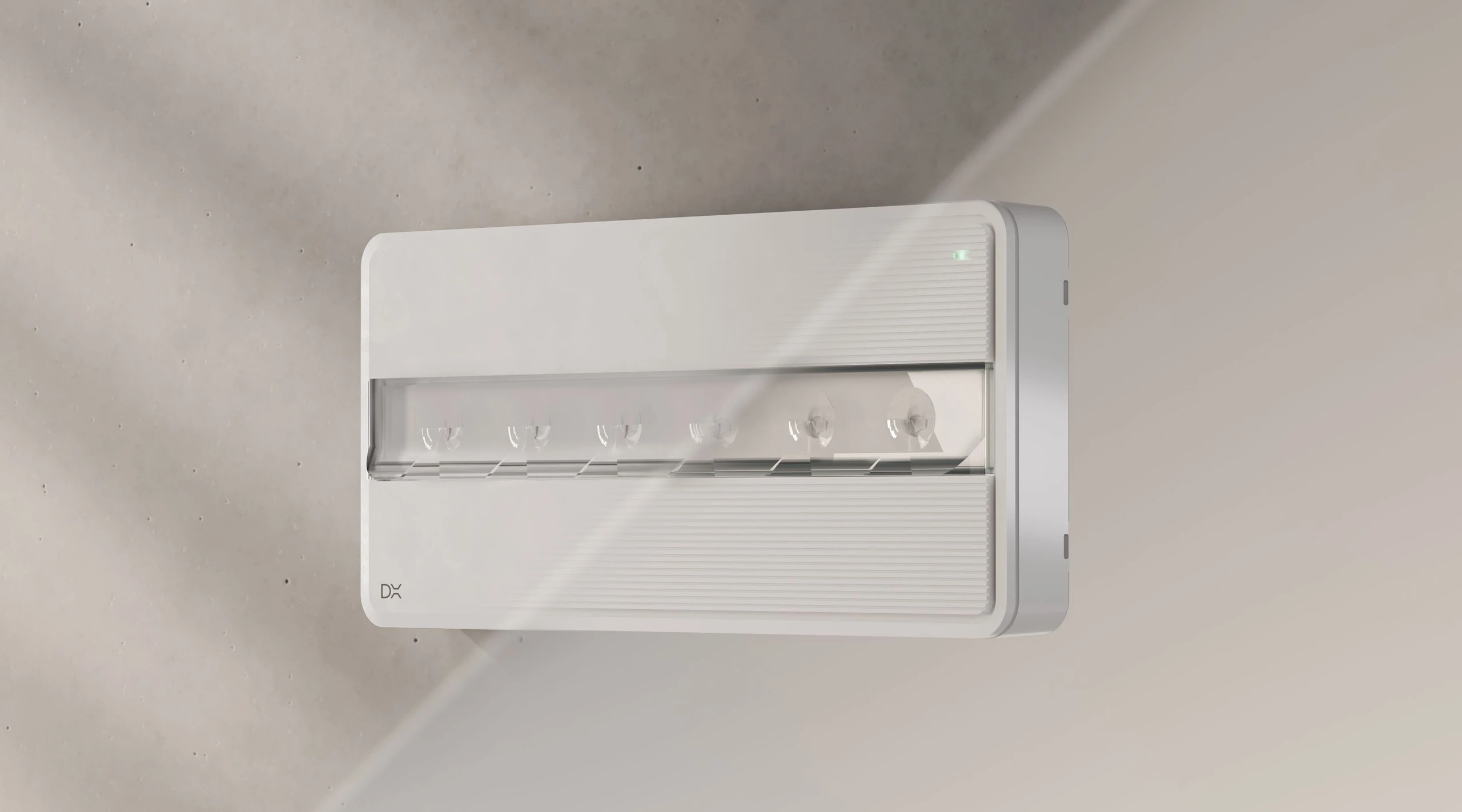
NEW NAOS 2025 / First version: NAOS 2020
Extraordinary performance.
Elevating functionality also means setting new performance benchmarks. NAOS ensures low energy consumption and minimal heat generation through the combination of an electronic transformer and a microcontroller. The microprocessor regulates battery charging based on temperature, managing voltage to guarantee full charging throughout its service life. Maintenance charging is limited to a few minutes daily, reducing energy consumption. Together with an optimized PCB design and cutting-edge electronic components, these features extend the luminaire’s lifespan.
The permanent NAOS Autotest, TCA and DALI models include a brightness sensor that provides a consistent 200 lumens of illumination when ambient light falls below a minimum threshold. Furthermore, the independent anchoring plate, crafted from kinetic polymer, allows for mechanical fastening and electrical connection without screws. This design supports cable entry and exit with a maximum cross-section of 2.5 mm².
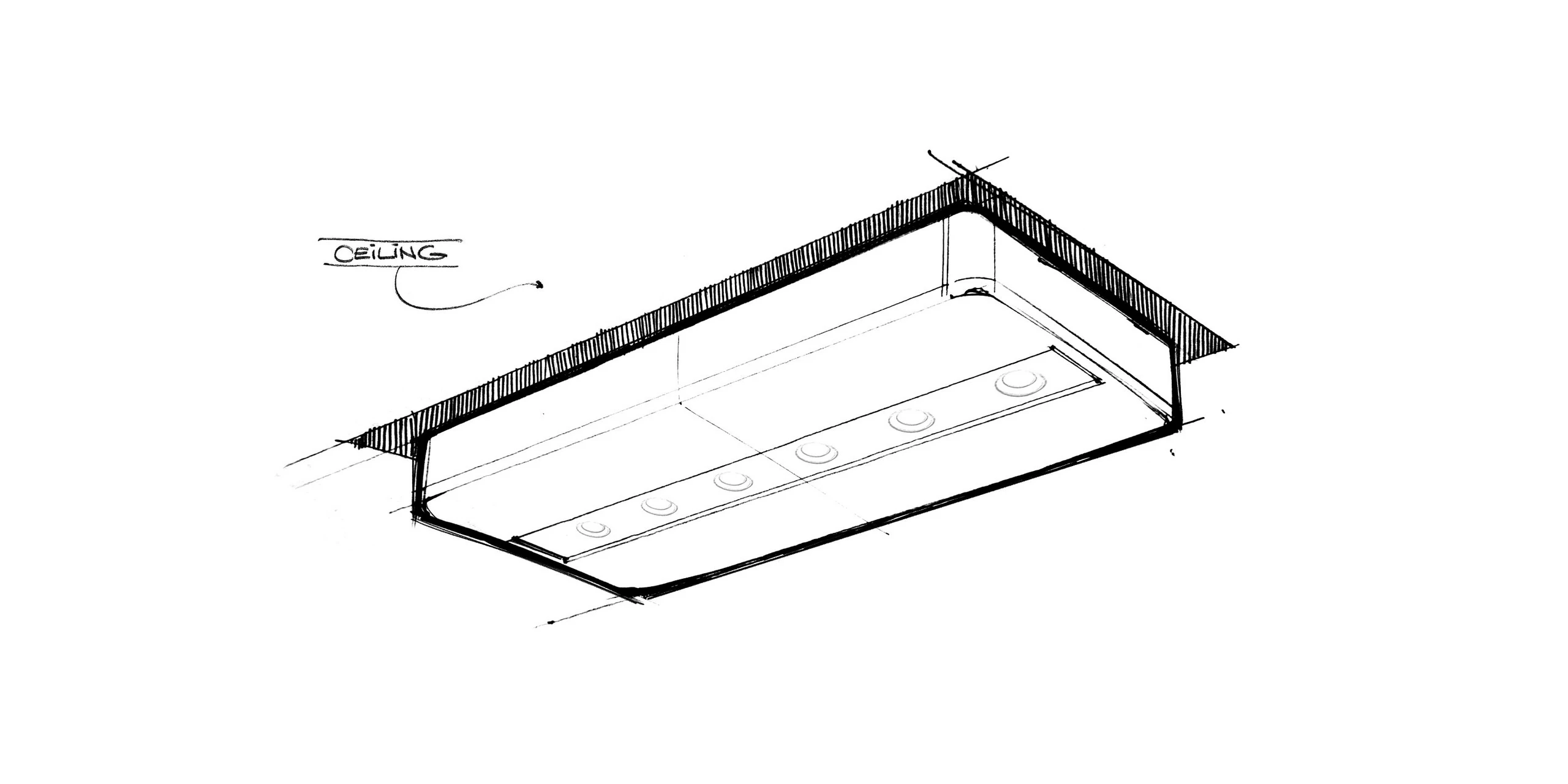
Microstructures
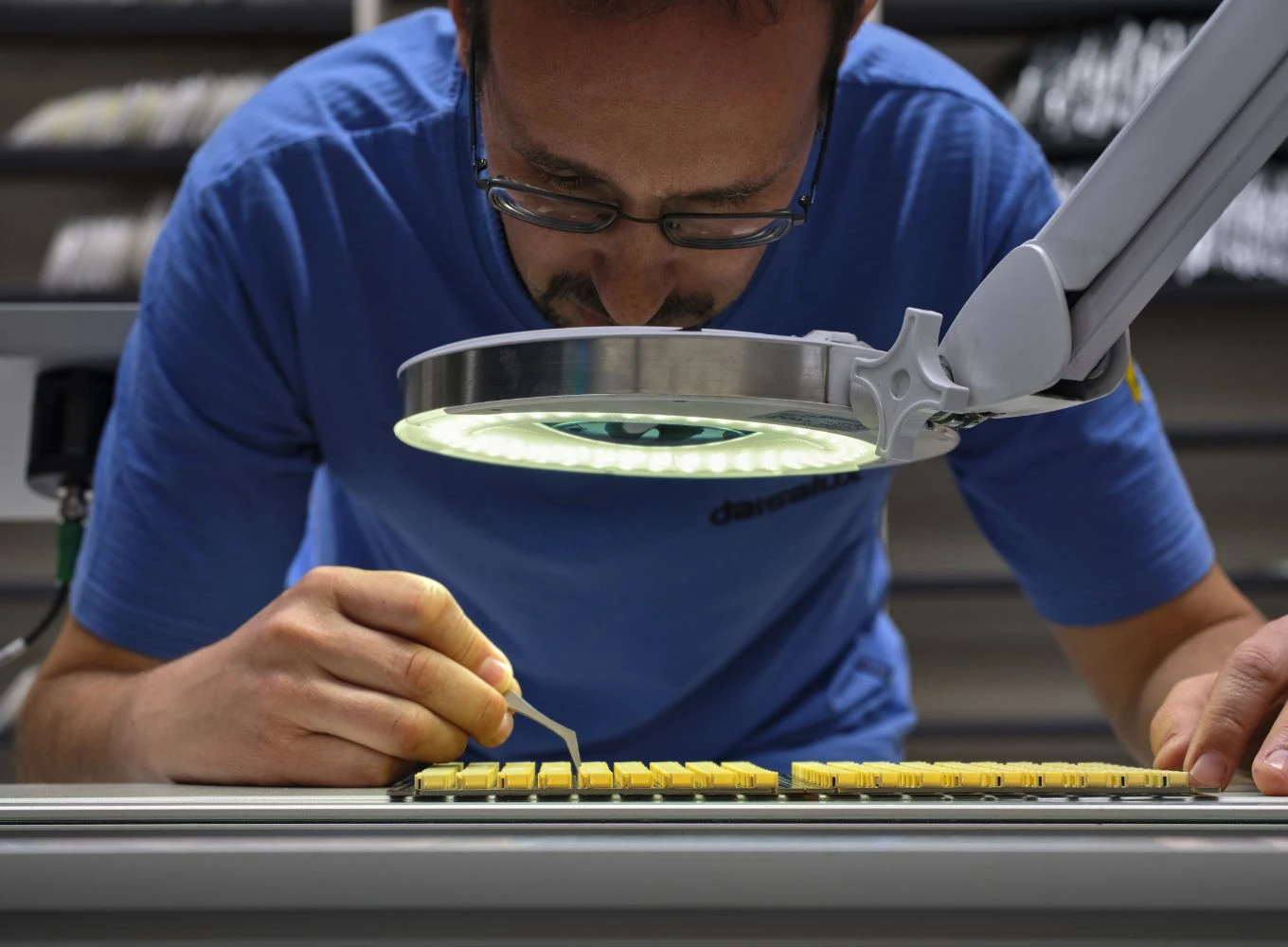
NAOS features an optic that utilizes a Microstructured Surface, a proprietary technology developed by Daisalux that reflects the brand’s commitment to innovation.
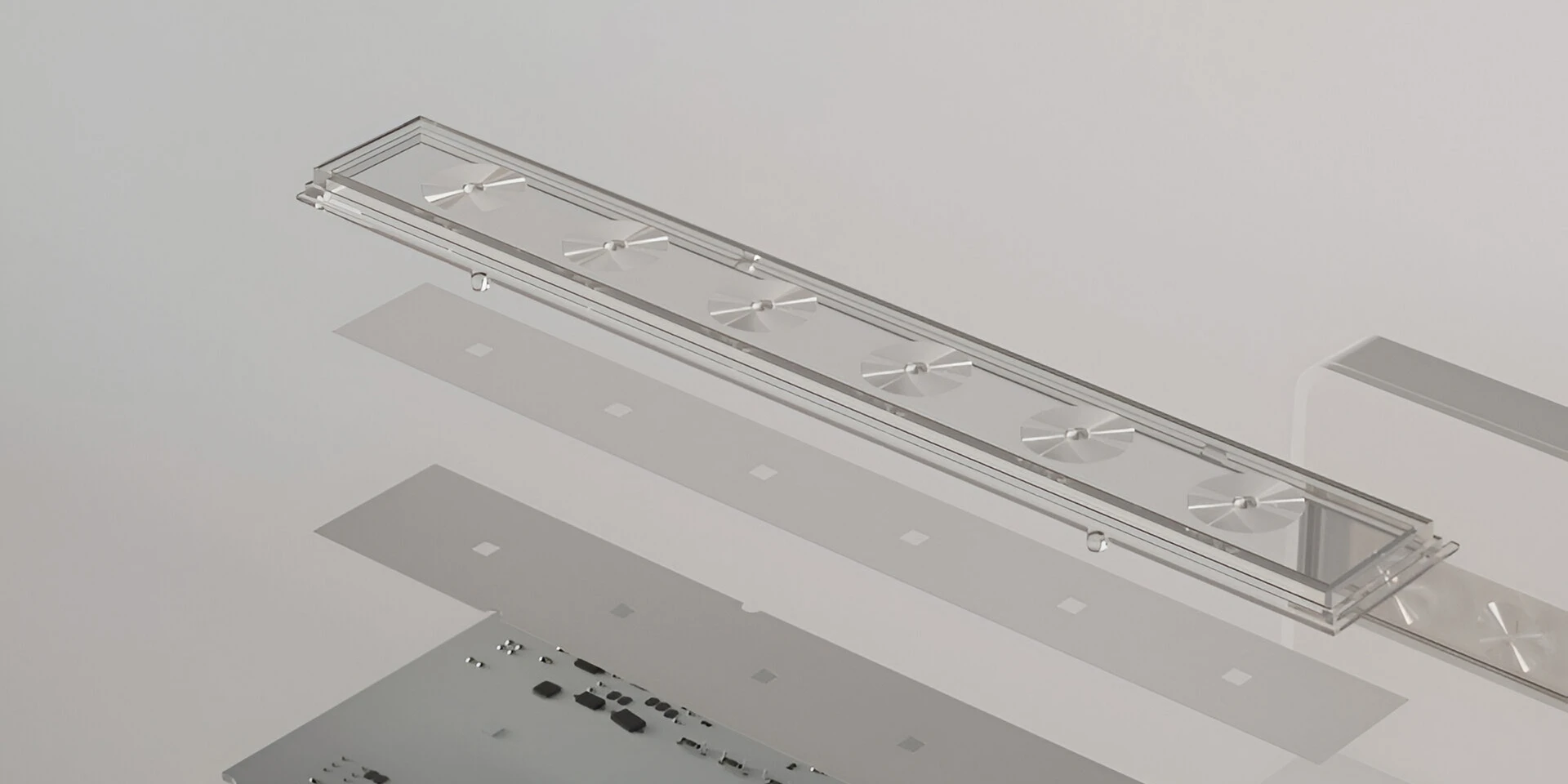
This optic, designed with mathematical precision, is only a few microns thick. When light strikes the surface, it refracts, achieving the desired light distribution with the precision of traditional lenses and reflectors.
This microstructure (MCRled) technology has revolutionized the methodology of our Applied Optics Department.
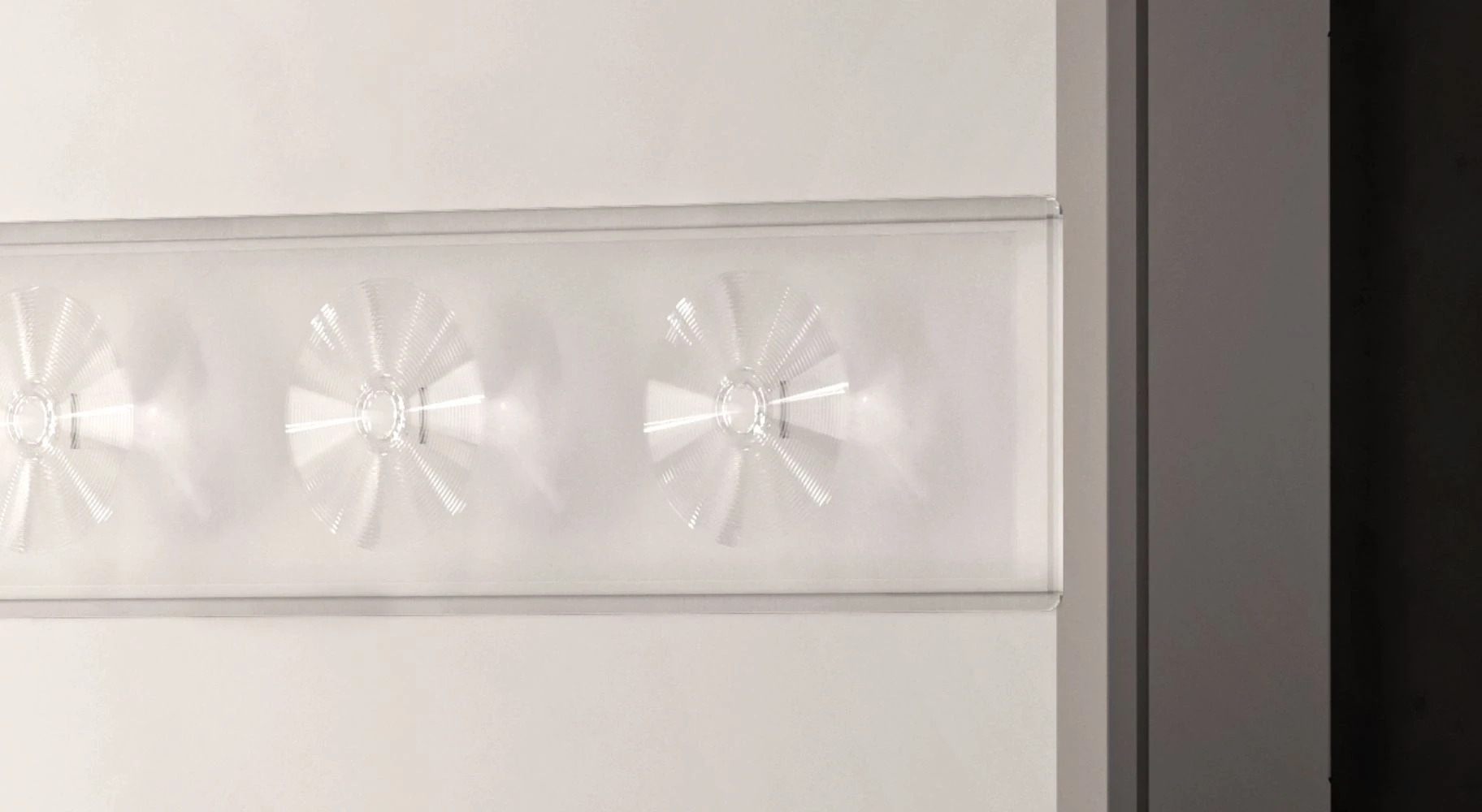
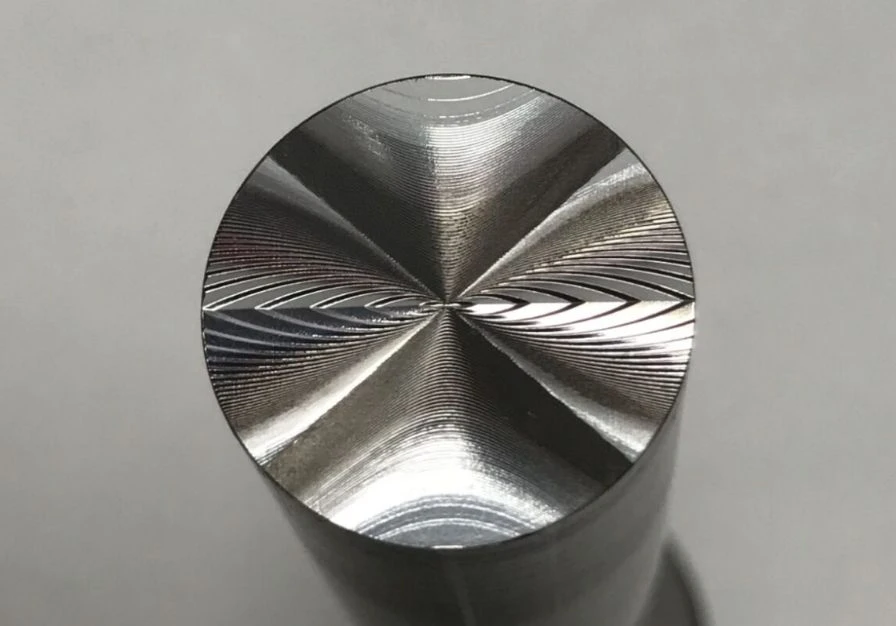
Microstructuring of moulds for flow paths.
By reducing the number of components in the optical assembly, it simplifies the process and reduces material and manufacturing costs. This streamlined approach also speeds up development and testing.
Another key aspect of microstructures is their refractive properties, which deliver high-quality light projection. Technically, their characteristics are comparable to those of traditional optics. The result is a photometric curve and uniformity similar to what would be achieved with conventional lenses and reflectors, but within a much smaller space.
From a technical perspective, the advantages are clear, but what about aesthetics? Remarkably, microstructures (MCRled) can be formed on surfaces as thin as two millimeters. These dimensions are notably small, especially when compared to the bulk of traditional lenses. This unique feature directly influences the design of the luminaire, enabling the creation of more compact and discreet models that blend seamlessly into their surroundings.
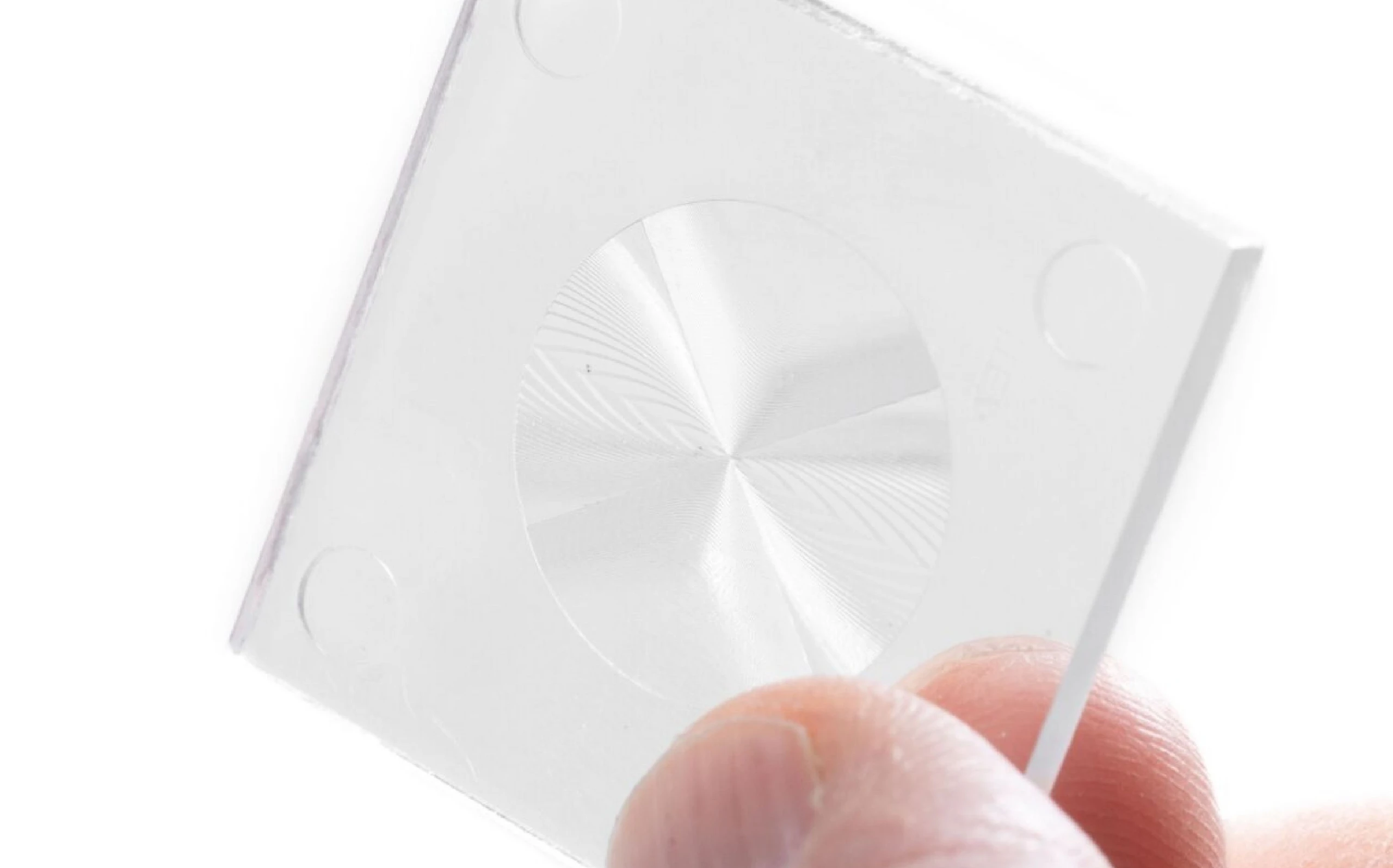
An example of the challenges faced by the Daisalux R&D team can be seen in the microstructure developed for evacuation routes. Resembling grooves on the surface of the microstructure, its 17-mm diameter and 2-mm thickness house more than 150 individual micro-optics. Together, these micro-optics form the Microstructured Surface.
Each groove must be precisely shaped to achieve the exact angle and length needed to refract light beams in a way that delivers the required photometric curve, meeting the stringent lighting demands of emergency lighting projects.
In essence, the integration of microstructures significantly reduces the number of components and the complexity of the optical assembly. Despite their smaller size, they ensure a photometric curve and uniformity on par with conventional lenses and reflectors. This breakthrough enables the production of luminaires that are more compact, uniform and discreet, making them easier to integrate into any environment.
Versatility in service of visual continuity.
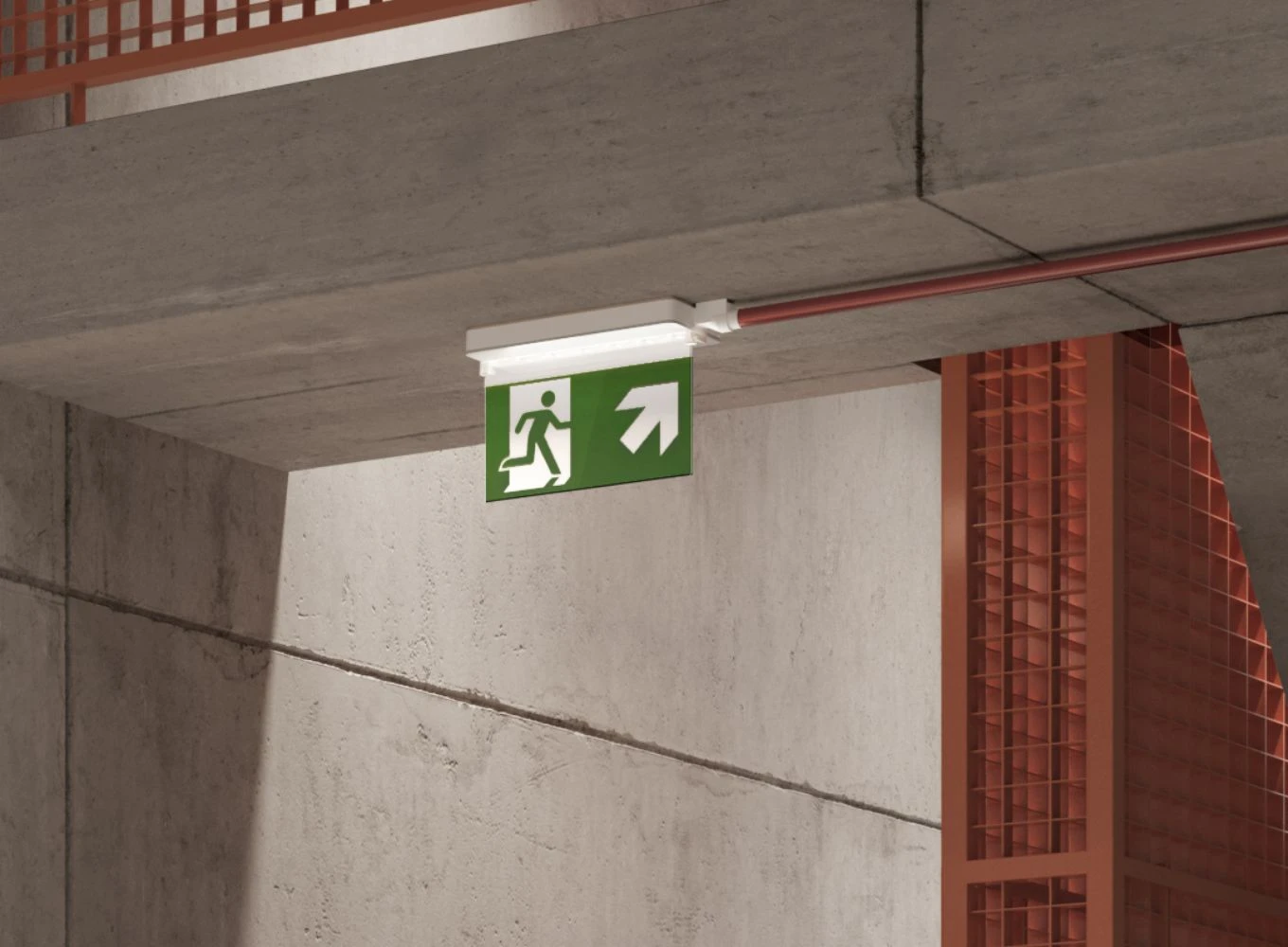
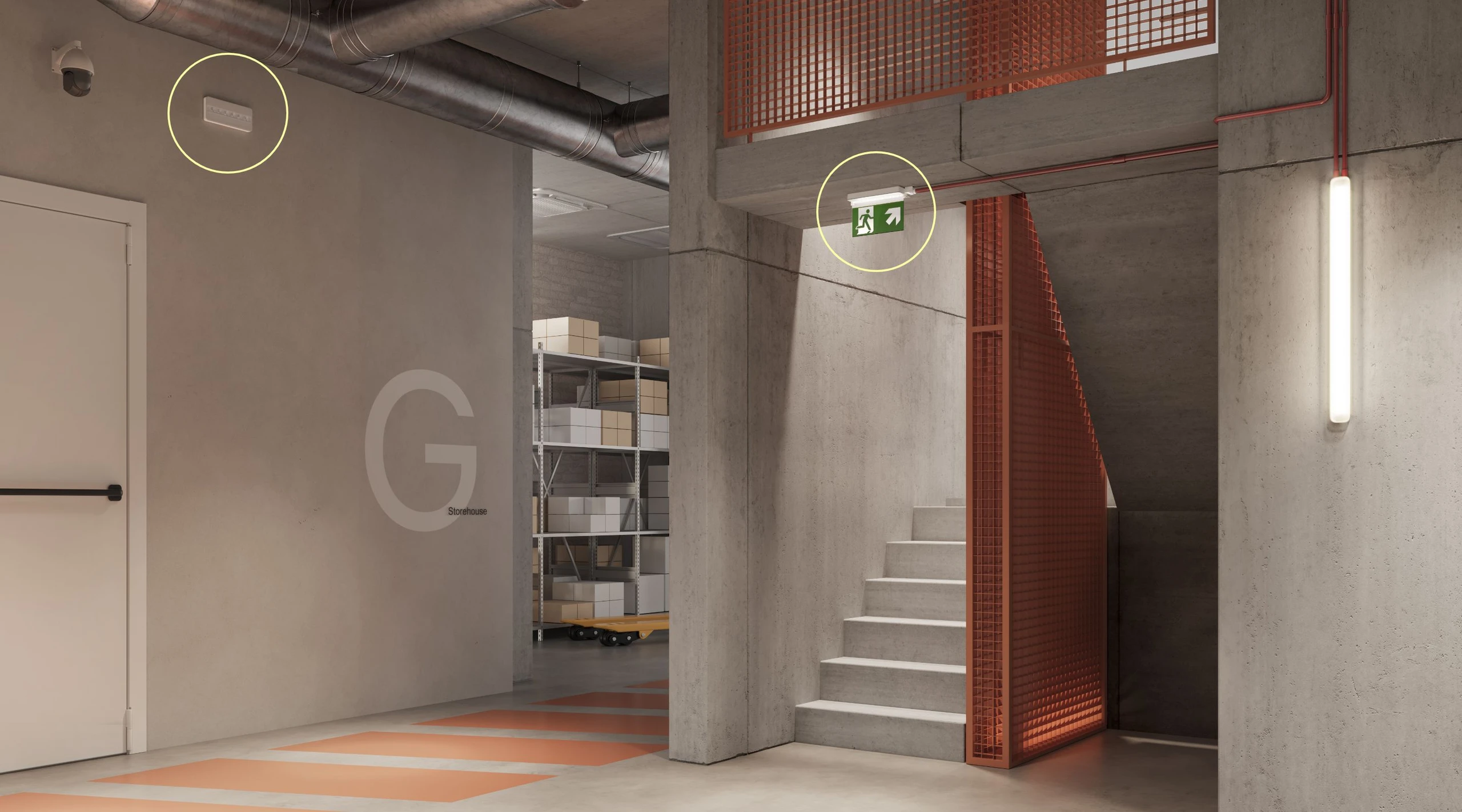
The NEW NAOS embodies versatility at its finest. Its remarkable adaptability ensures seamless integration into various spaces within a project, creating a cohesive visual language and delivering architectural continuity.
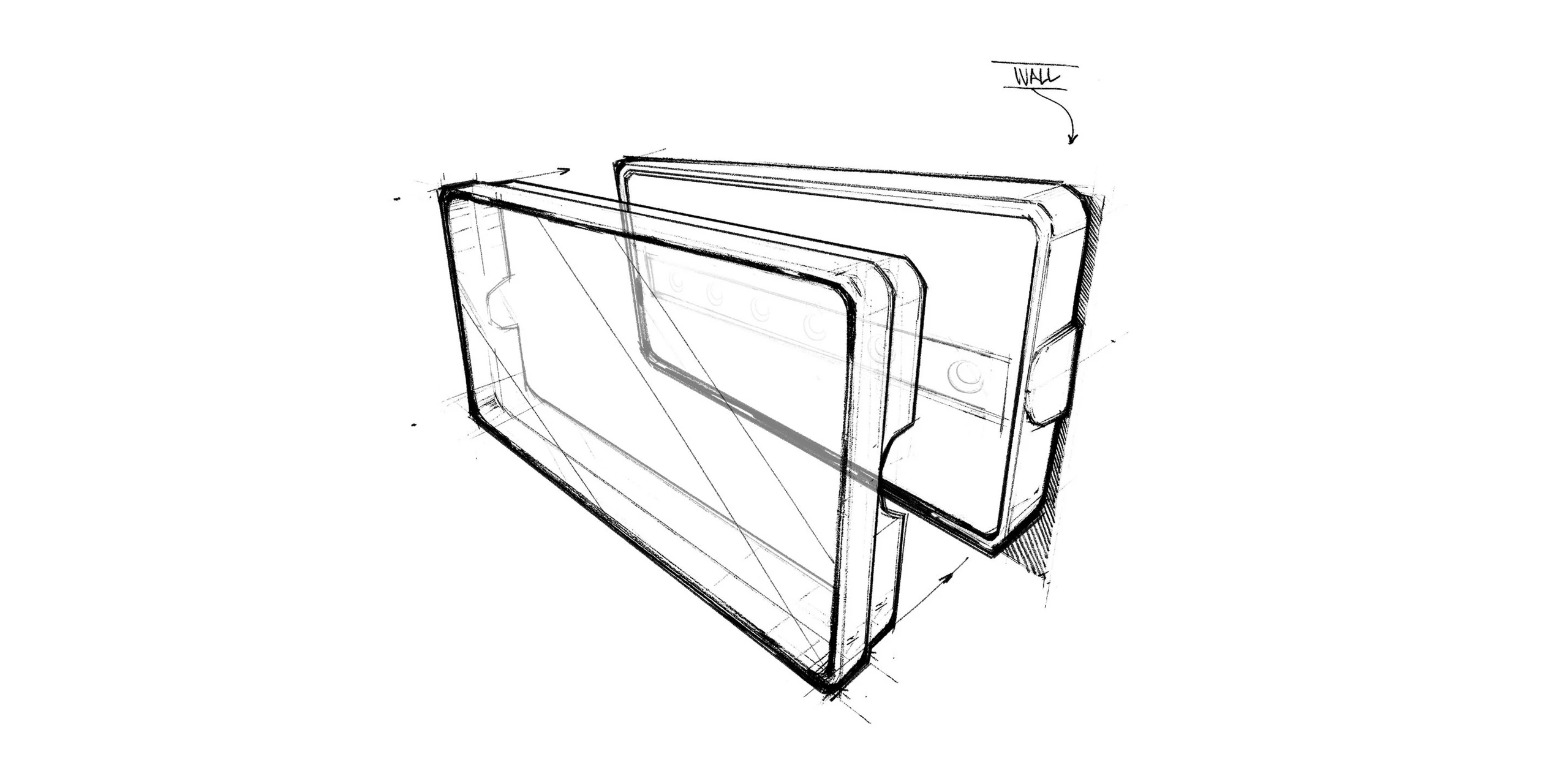
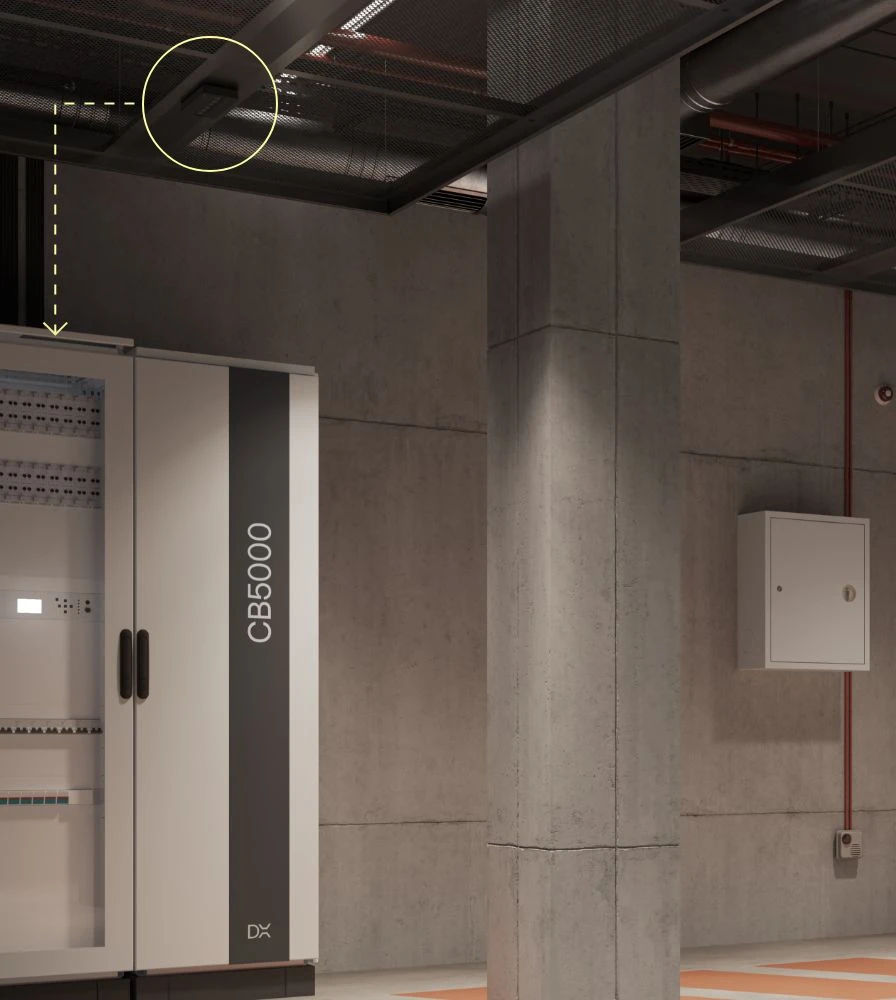
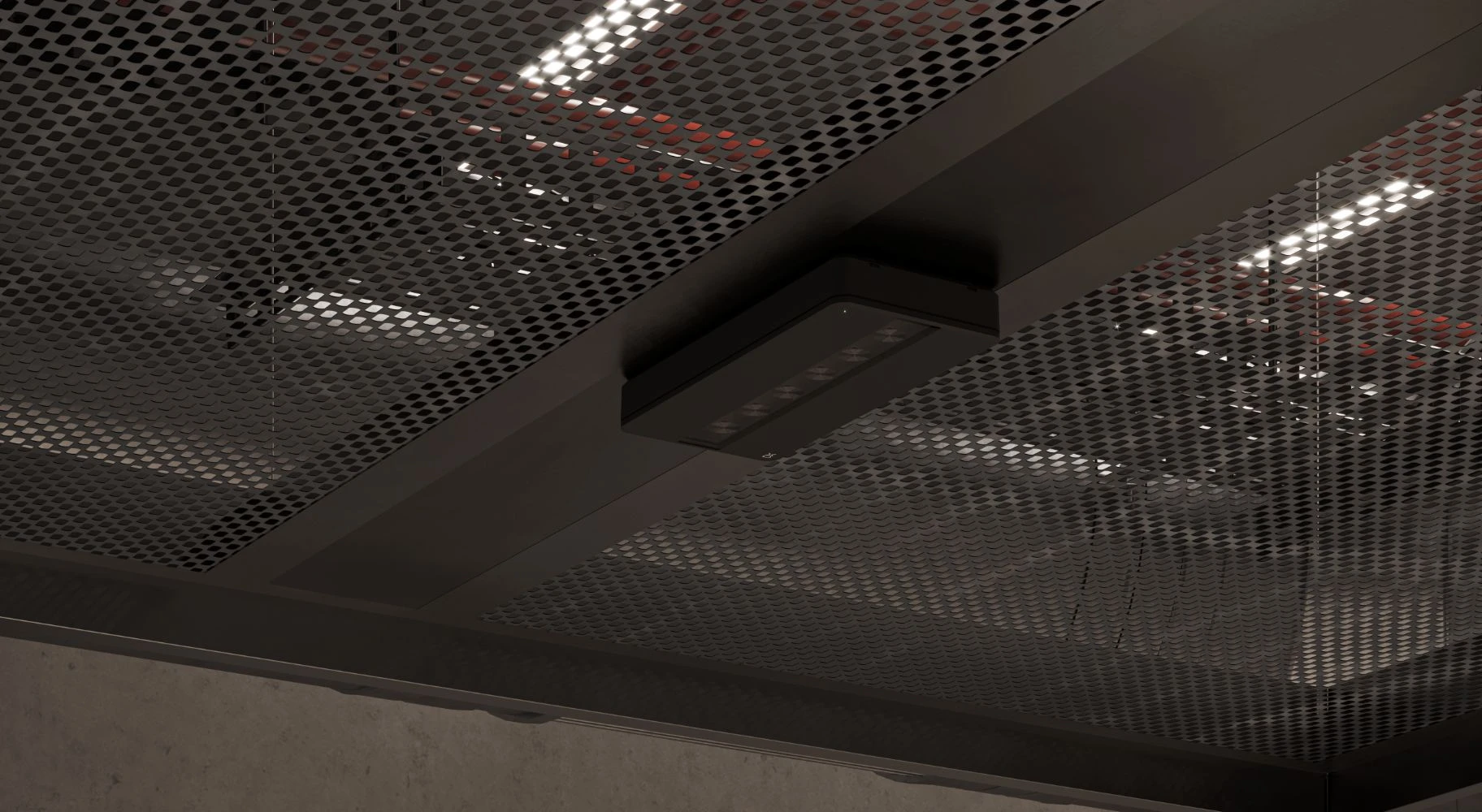
To accommodate diverse installation needs, a comprehensive range of solutions and accessories has been developed. As a signaling luminaire, it can be mounted on the ceiling using the SKT and SKTW accessories or on the wall with the SKP bracket. Its robust, watertight enclosure guarantees IP66 IK10 protection, ensuring durability even in demanding environments. Additionally, flush-mounted installation options are available, with KET NAOS for ceilings and KEP NAOS for walls, further enhancing its adaptability and aesthetic integration.