
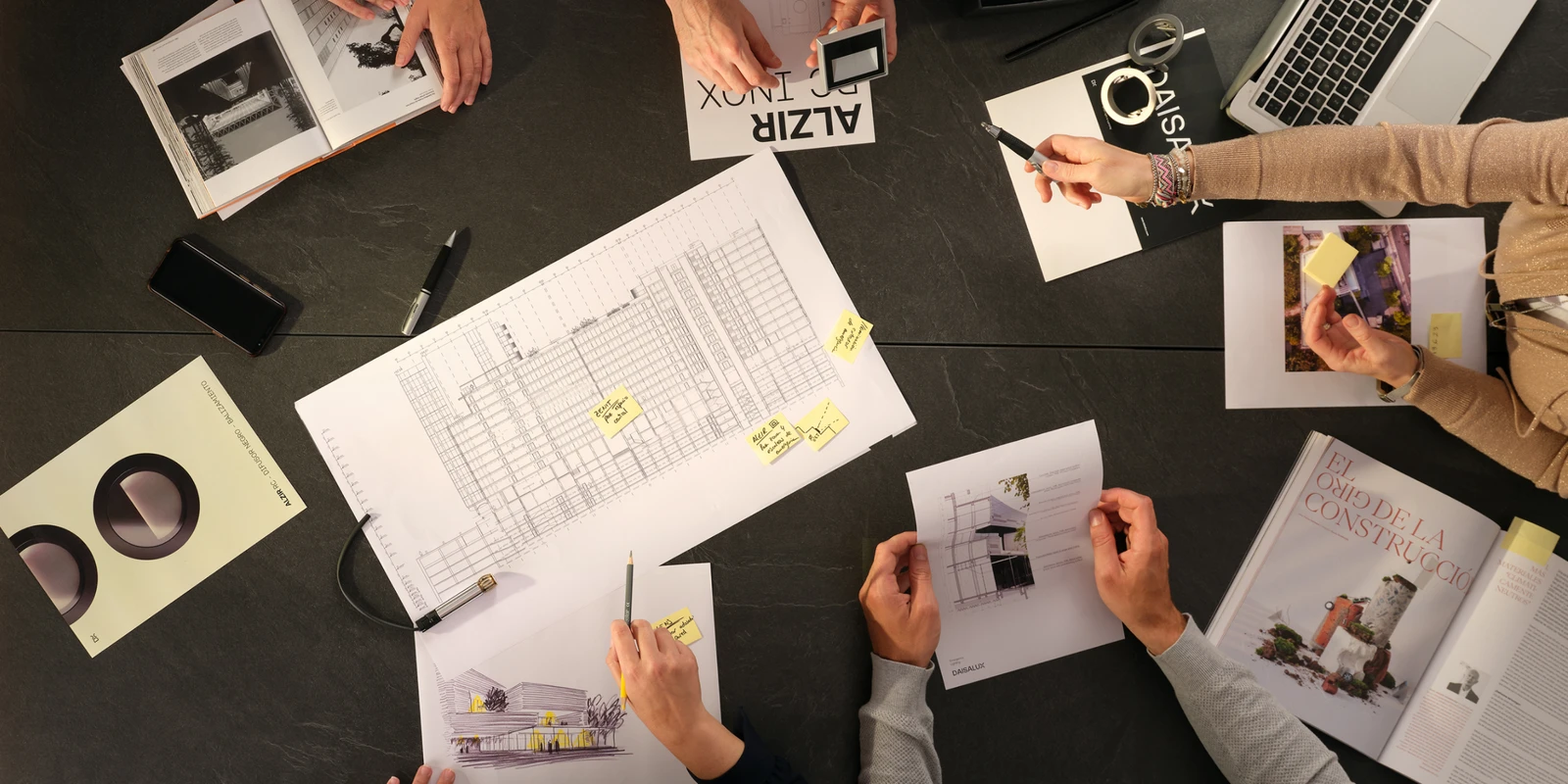
Article contents
Article summary
- Design is about looking ahead. It means anticipating how a space will be used and how it will evolve over time.
- Design means making decisions for the long term. A project must consider not only its construction, but also its operation, maintenance and durability.
- Light is an essential part of the project. It defines spaces, guides movement and helps people identify escape routes in critical situations.
- Optics determine how light is distributed. A well-designed light distribution can reduce the number of luminaires required, simplify installation and improve system efficiency.
- True excellence stands the test of time. A well-designed system maintains its performance, makes maintenance easier and prevents problems throughout its service life.
Designing is, perhaps, one of the most human things we do.
We imagine before we build and think before we act. We do not simply react to our surroundings; we deliberately shape them. And that involves something we rarely stop to consider: the decisions we make today will continue to shape spaces and the way people move through them for decades to come.
Buildings have become increasingly complex, cities more densely populated, and very few systems now operate in isolation. Perhaps that is why, as a society, we are rediscovering the value of long-term thinking. It is neither a trend nor an ideological stance. It is a sign of a more mature form of human intelligence.
Thinking, after all, means looking ahead.
Every project begins with an idea of how a space will be experienced: how people will move through it, where they will feel safe and how they will know which way to go. Imagination knows no bounds, but an idea must eventually become something tangible. And that is where it meets real materials, available energy, maintenance that someone will have to carry out, and years of everyday use.
It is at this point of intersection that intelligence comes into play: in finding the balance between what we imagine and what can genuinely stand the test of time.

Legos cloister in Seville.
Design is less about choosing what to install and more about deciding how a system will perform when we are no longer there to oversee it. Some decisions are visible on opening day; others only become apparent years later, when something goes wrong or, quite the opposite, when everything continues to work as it should. A project that overlooks its future operation is incomplete, and a system that does not account for maintenance is fragile, even if everything looks impeccable on day one.
Design means making decisions that stand the test of time.
Within this wider set of decisions, light has a particular role.
It defines space and guides movement. In an emergency, it is what allows people to understand where they are and where they need to go. Something so fundamental cannot be improvised or added at the end as just another element of the project.
When light is a priority, design changes.
We tend to think of lighting as an object — the luminaire — when in reality it is about how light is distributed throughout a space. And within that distribution, optics play a decisive role. Emitting light is relatively straightforward. The real challenge lies in directing it precisely and adapting it to each space and the activities that take place within it.
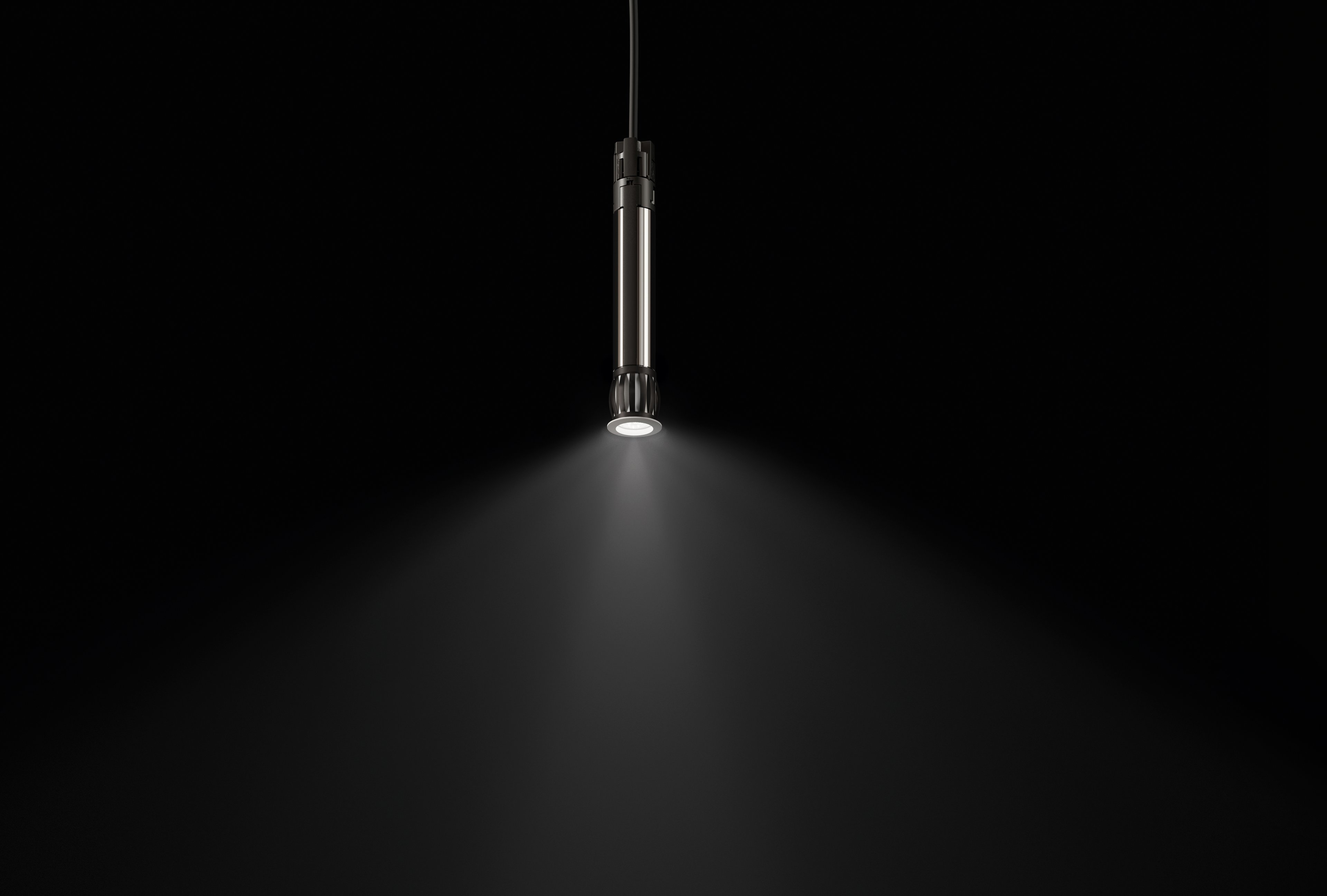
SPICA by Daisalux. Optics determine how light is distributed.
Optics are where the design intent becomes real-world performance. They determine how light is distributed, which surfaces are illuminated and which are not, how routes are defined and which areas remain visible when visibility matters most.
When light distribution is carefully considered, fewer luminaires are needed, installation becomes simpler and less needs to be corrected later. This is not achieved by cutting corners, but by getting the geometry right. When light reaches exactly where it needs to go, the entire system works as intended.
Efficiency, therefore, is not something added at the end. It is built in from the outset, into the way the path of light through a space is designed.
A building is not finished on the day it opens. That is when its real life begins. For decades, it will be used, maintained, inspected and refurbished, perhaps more than once. The decisions made during the design process will continue to shape its day-to-day performance, often long after everyone has forgotten who made them.
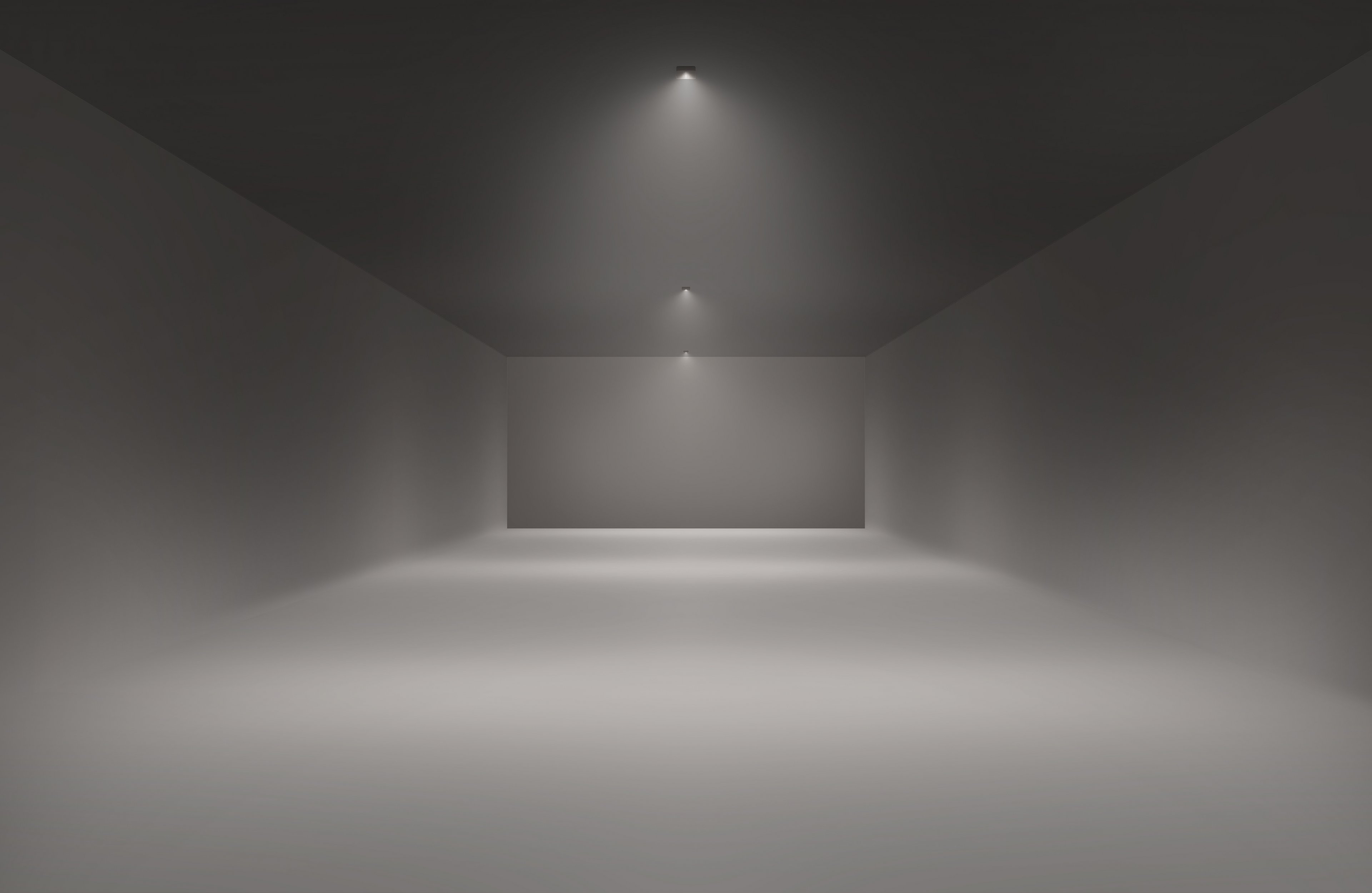
Layout of light points along an escape route using NAOS emergency luminaires.
A well-designed system is most evident in the problems that never arise. It is easy to diagnose, avoids unnecessary replacements and maintains its performance over time.
True excellence does not need to be proclaimed. It proves itself when, many years later, a system is still working as it did on day one.
The same is true of intelligence. It needs no labels; it reveals itself over time.
Thinking long term is human. Applying that thinking to design is a choice. It means choosing simplicity over complexity, anticipating rather than constantly reacting, and understanding that light is not a secondary element but an essential part of the system. Design is about making decisions.
And when light is a priority, every decision matters.
But making the right decisions requires knowledge: an understanding of light from its physical foundations, of how it behaves in space, how it changes over time, and how it interacts with buildings and the people who use them.
This article is just the starting point.
The rest will take shape step by step, from the science of light to its integration into architectural projects, and from technology to the day-to-day operation of buildings.
This is the first step in that journey: a space to explore technical knowledge and share it, with rigour and a long-term perspective.
“Light thinks too. And thinking takes time.”
Get every new article
One email when we publish an Architecture of Light article. Nothing else.