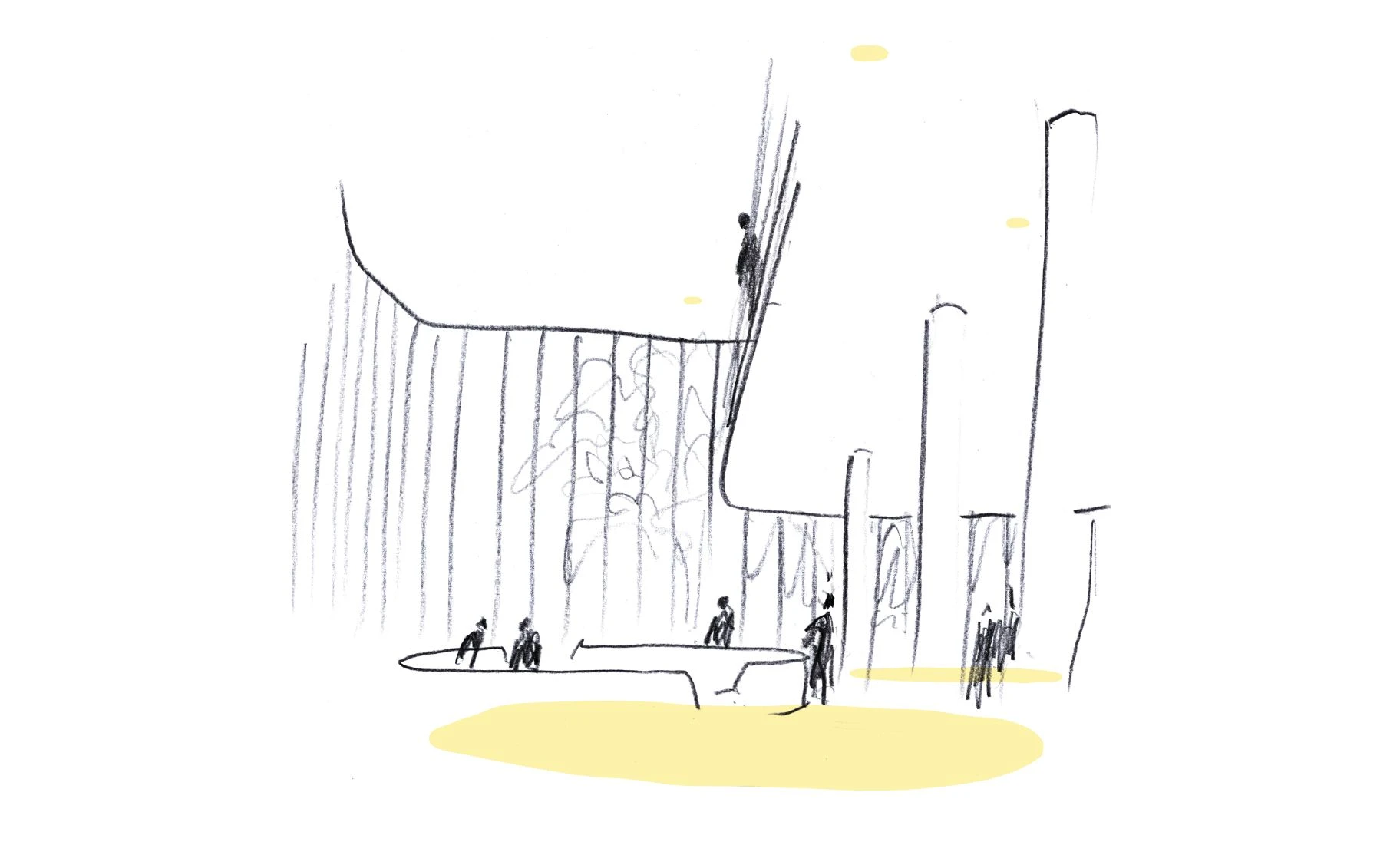
Signage demands versatility.
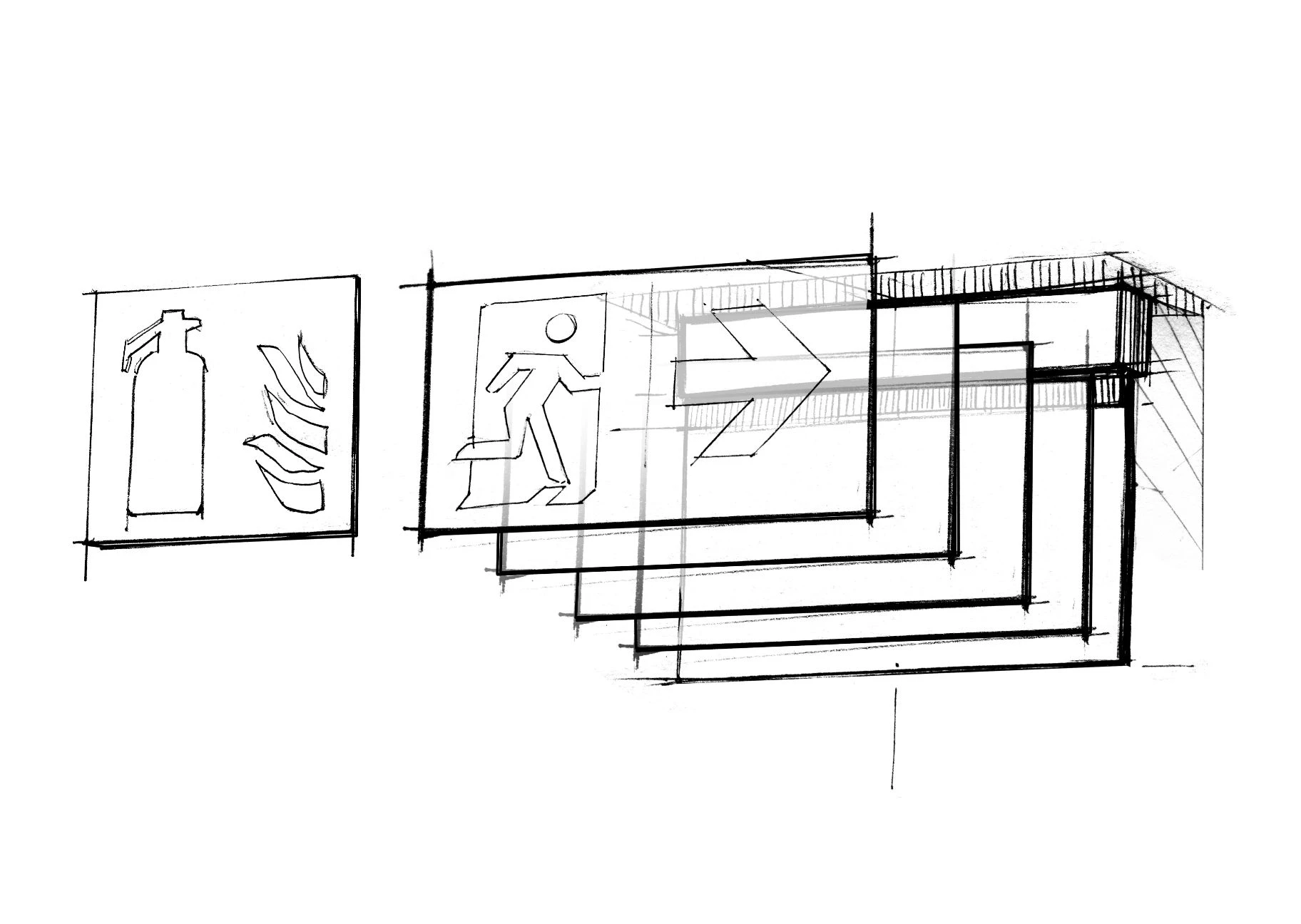
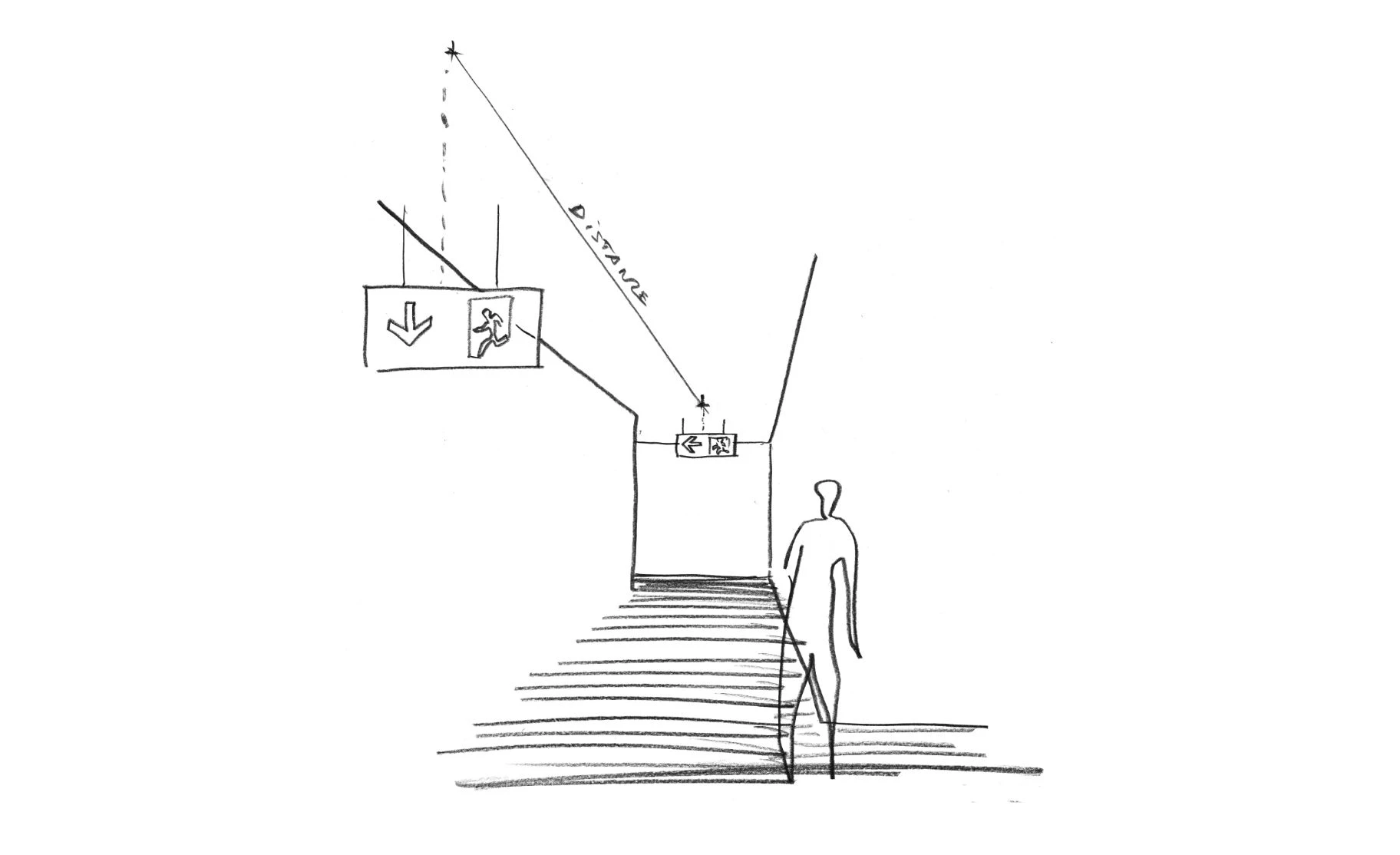
Collaborating with architects, engineers and lighting designers has shown us that one of the key challenges in evacuation lighting is the flexibility of luminaire placement: ceiling or wall-mounted, banners, connections and variations in size and spacing.
Every building presents its own unique set of constraints, requiring us to adapt accordingly. This adaptability is only possible when our Emergency Exit Signage Range offers maximum versatility, ensuring luminaires can seamlessly integrate into any environment, in all configurations.
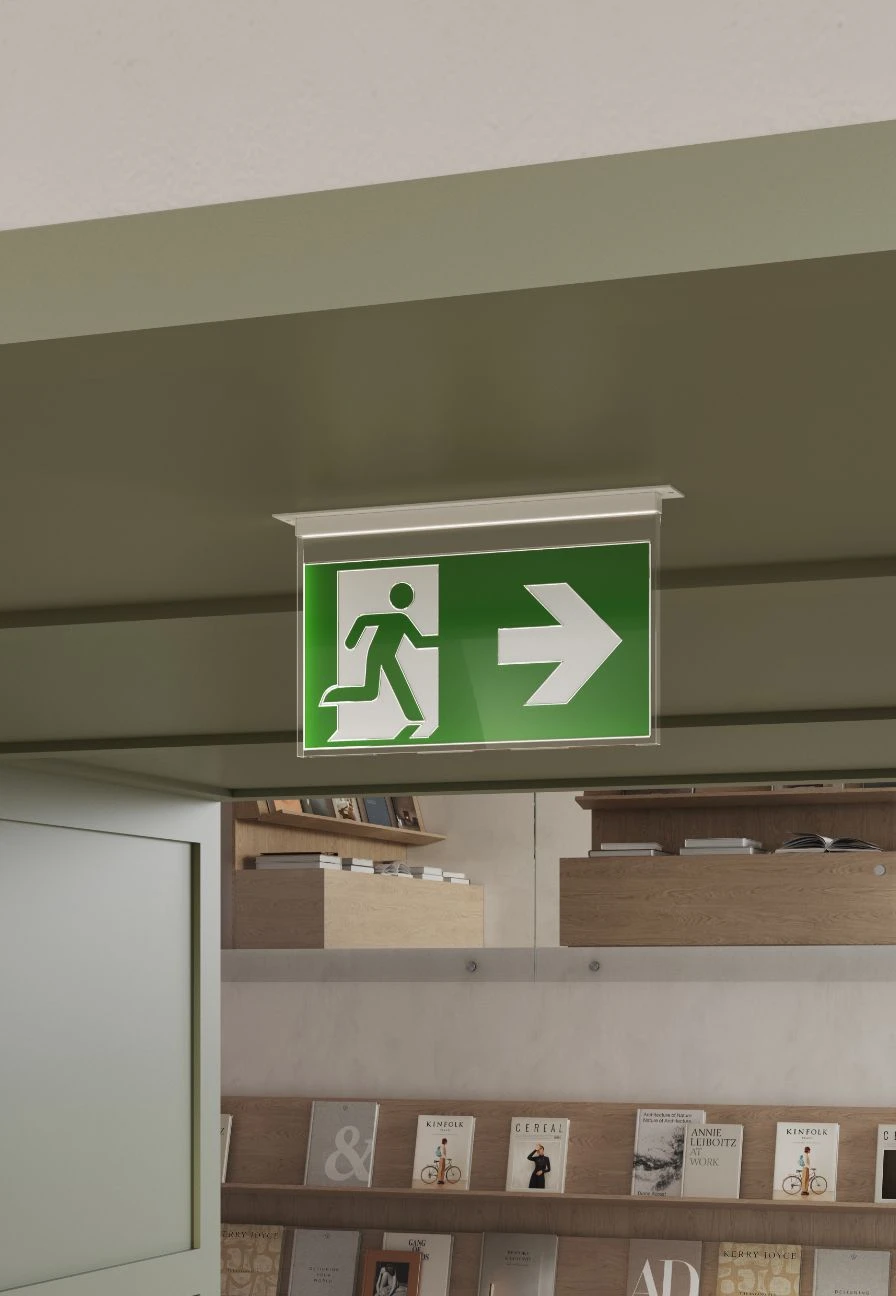
For instance, in buildings that require ceiling-mounted installations, the solution must be designed to integrate effortlessly within that specific layout, ensuring optimal lighting performance and regulatory compliance.
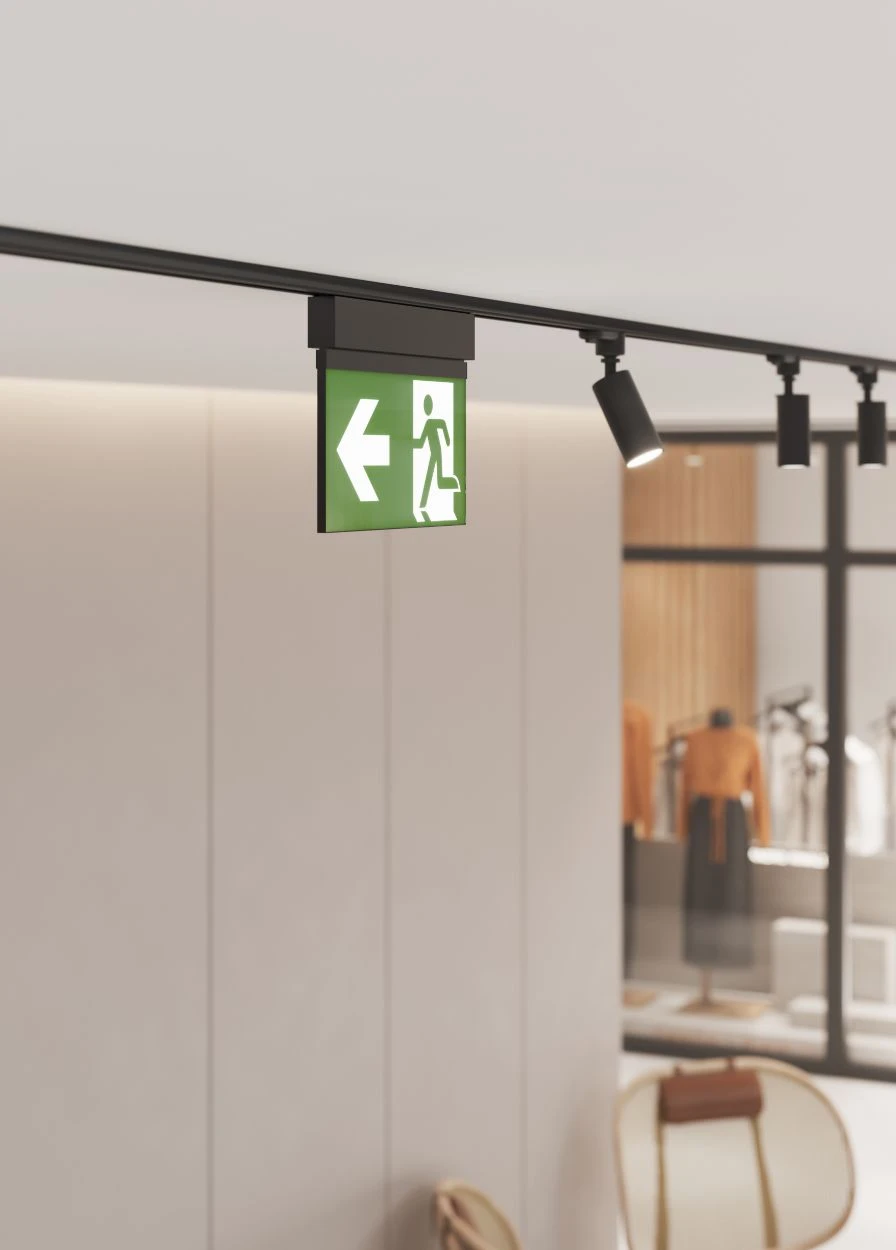
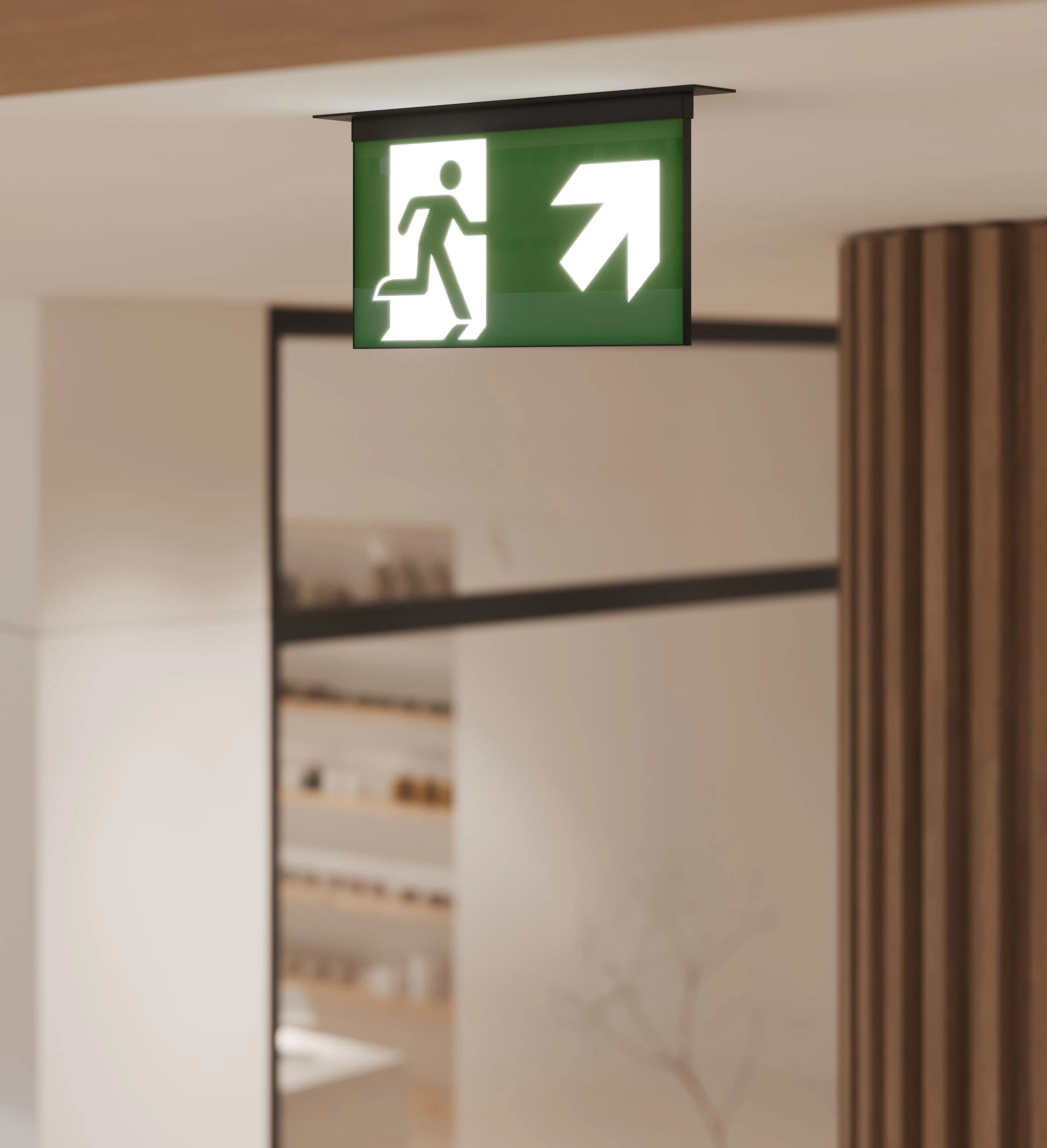
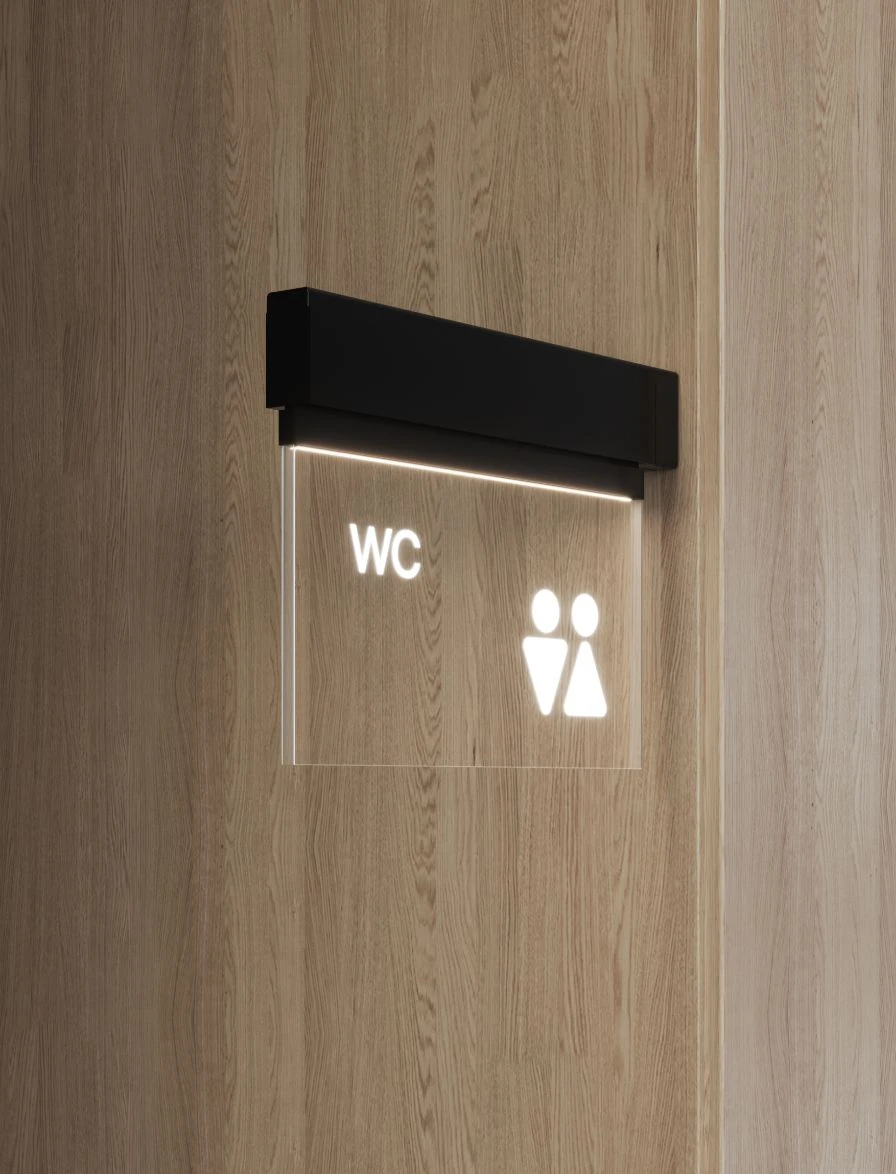

Architectural integration.
Successfully integrating a luminaire into its surroundings depends on three factors.
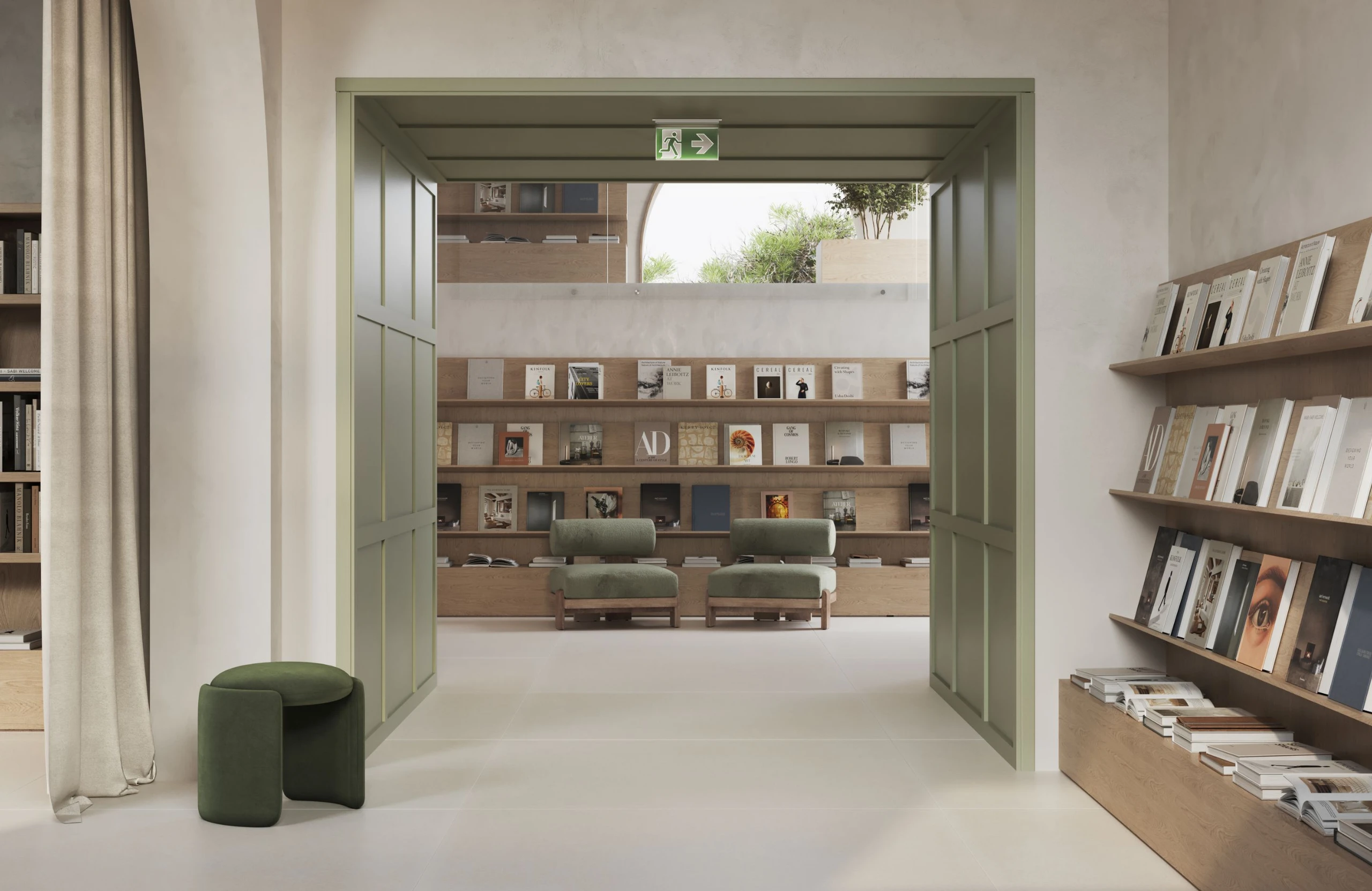
First, it must harmonise with the space; the size of the sign should suit the scale and purpose of the area.
Second, it requires versatility; evacuation lighting must adapt to the space’s unique characteristics, providing the best solution in every scenario.
Lastly, regulatory standards must always be met, ensuring safety with compact models that maintain aesthetic and functional cohesion.
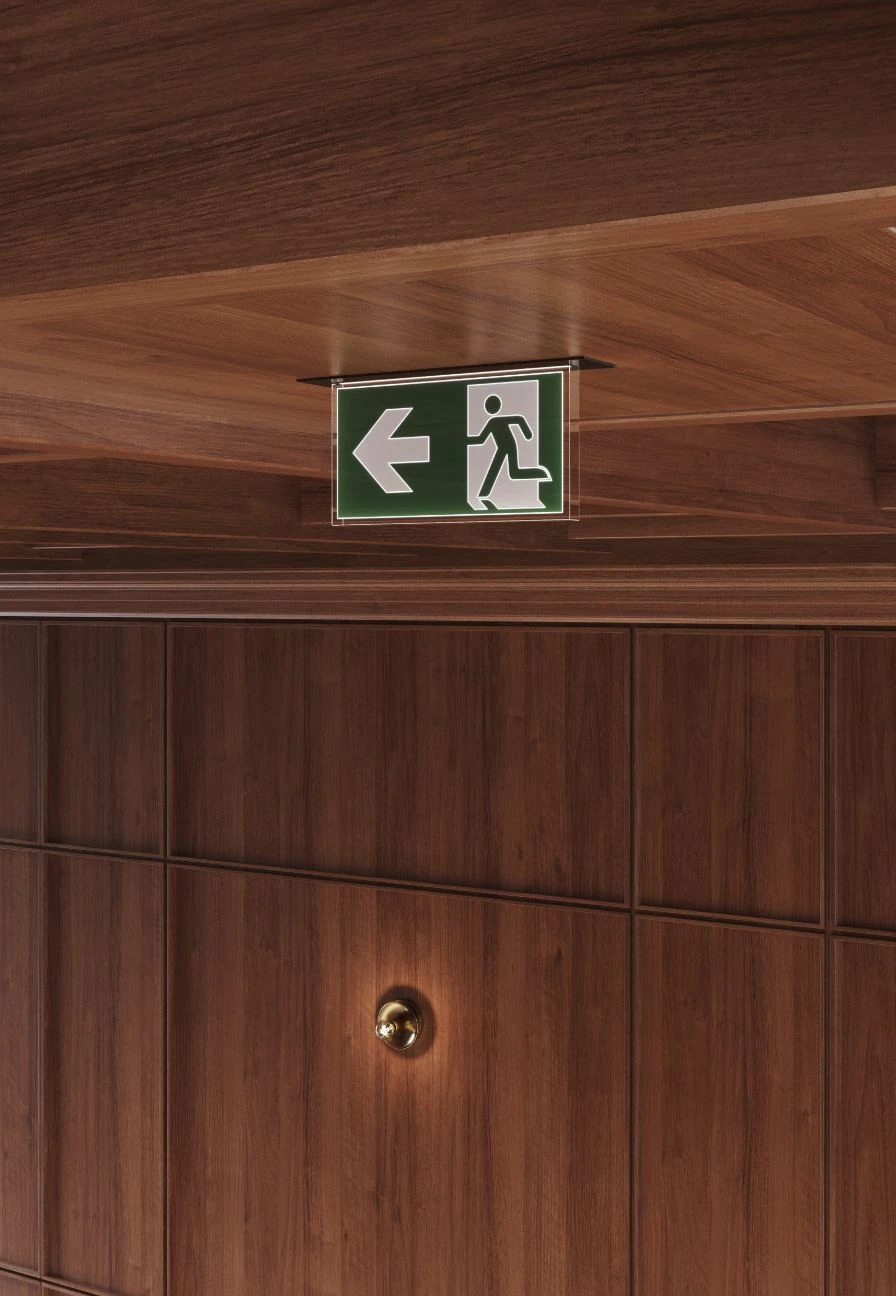
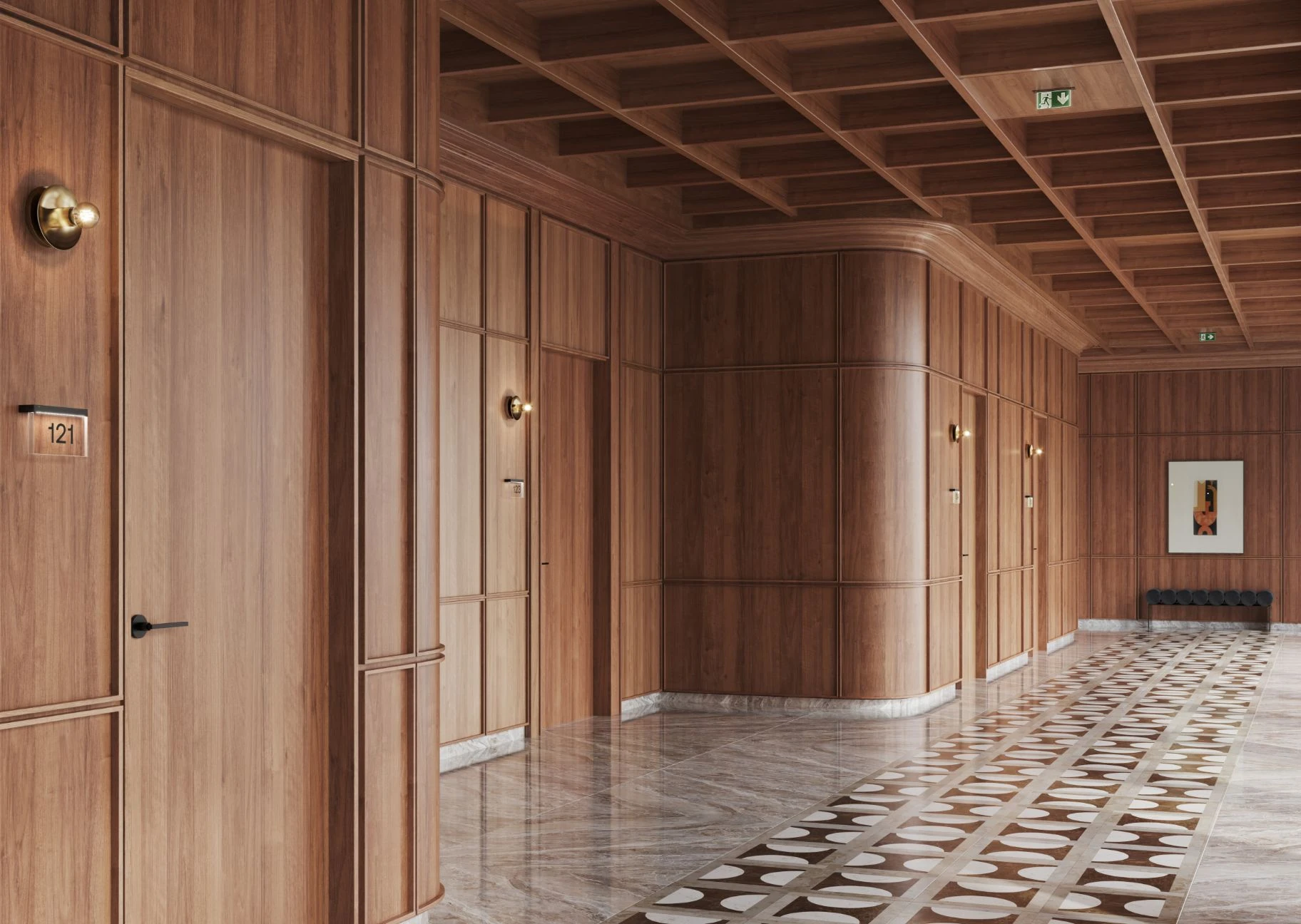
VIRSC is a luminaire created specifically for luxury spaces. You can find it in our signalling catalogue.
Safety and light quality.
Our responsibility is clear: to provide the guiding light in moments when people may act irrationally, and when our eyes are most sensitive. Visual ergonomics, the science of adapting environments to our visual needs,
plays a key role in improving safety and evacuation efficiency. One essential concept is visual accommodation, or the eye's ability to adjust focus between objects at varying distances.

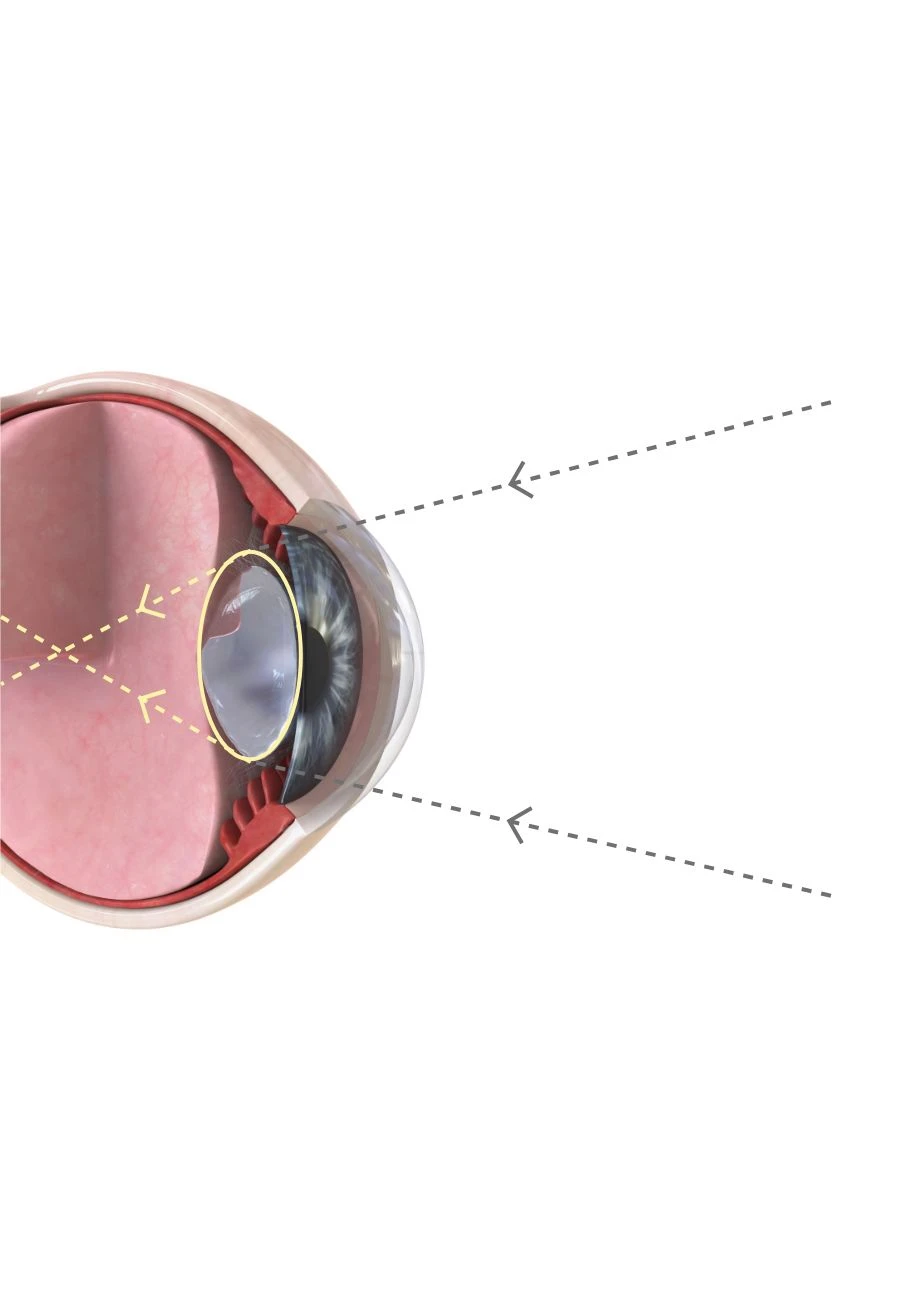
The crystalline lens, responsible for visual accommodation, helps us focus on and interpret signals.
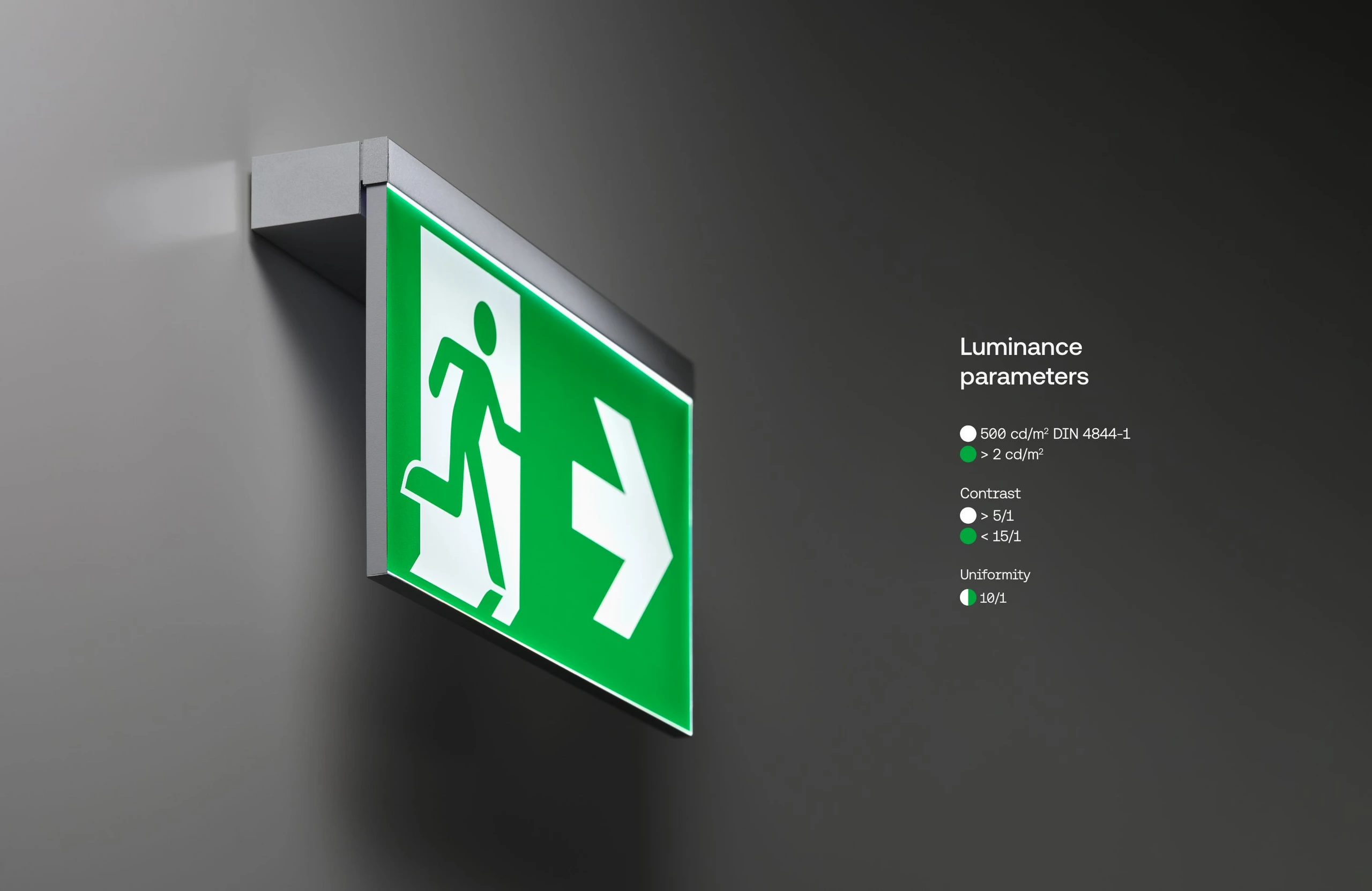
In emergencies, it’s crucial that signage does not require constant visual accommodation. The new Emergency Exit Signage Range has been developed to minimise strain on the eye, offering maximum comfort and efficiency. Three critical factors make this possible:
Objects must be bright enough to ensure clear visibility.
Poor contrast between adjacent colours makes it difficult to discern signalling, so maintaining strong contrast is vital.
Ensuring uniformity when it comes to lighting prevents misinterpretation of signs and enhances ease of comprehension.